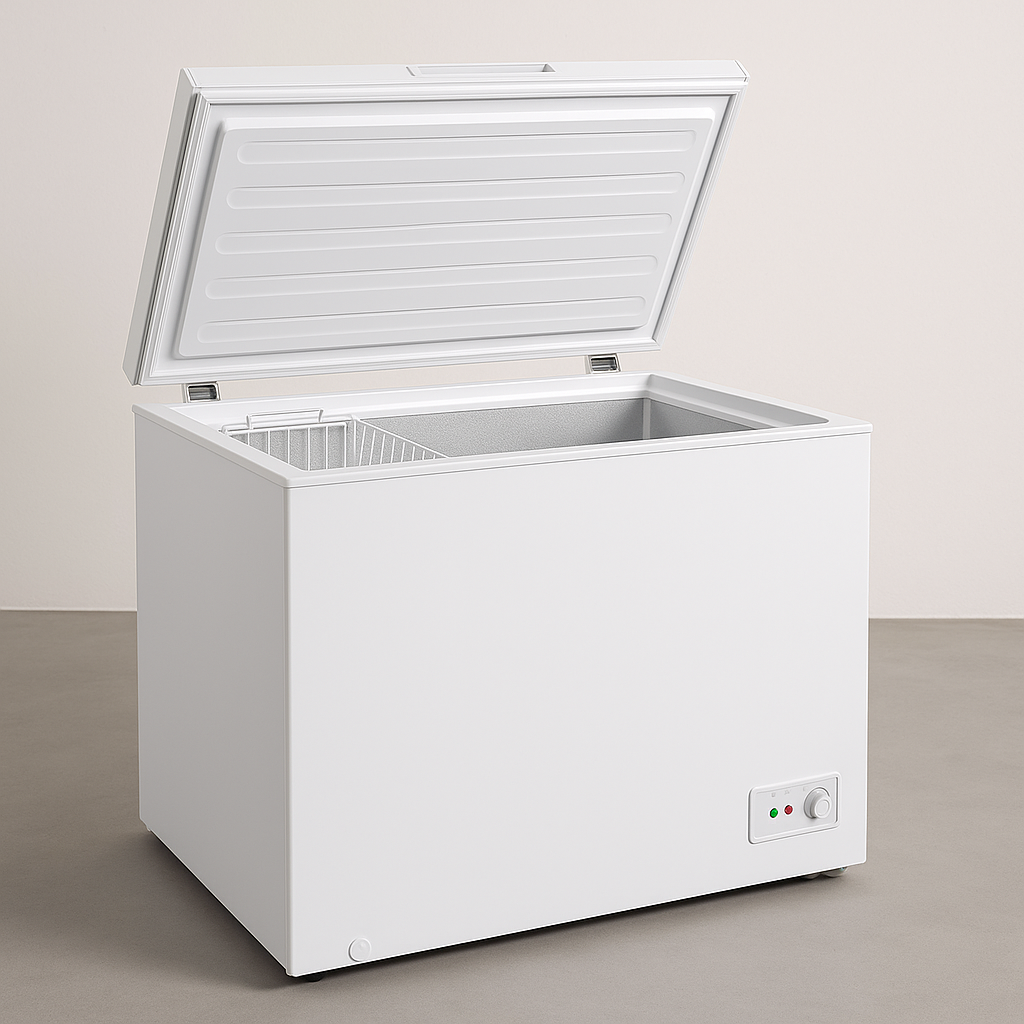
20 Fun Details About Energy-Efficient Chest Freezer
The Comprehensive Guide to Energy-Efficient Chest Freezers
In an era where energy efficiency is ending up being significantly important, chest freezers have actually emerged as a flexible and environmentally friendly alternative for households and businesses alike. Not only do they provide ample storage for frozen goods, but an energy-efficient model can likewise considerably lower electrical energy expenses, make a positive environmental impact, and enhance food preservation. This post delves into the key features of energy-efficient chest freezers, supplies important contrasts, and responses regularly asked questions to assist you make an informed choice.
Why Choose an Energy-Efficient Chest Freezer?
Energy-efficient chest freezers are created to decrease power consumption, thereby decreasing your carbon footprint and saving you cash on electrical energy expenses. Here are some reasons to consider buying energy-efficient choices:
Cost Savings: Lower energy intake means decreased electricity expenses, causing significant cost savings over the lifespan of the appliance.
Ecological Impact: Reducing energy use decreases greenhouse gas emissions, making it a more responsible option for eco-conscious consumers.
Food Preservation: The temperature stability in chest freezers permits for better food conservation compared to less effective models or standard upright freezers.
Flexibility: These freezers are perfect for saving bulk purchases, meal prep, and seasonal food products, making them exceptional for large families or small companies.
Secret Features of Energy-Efficient Chest Freezers
When looking for an energy-efficient chest freezer, think about the following functions:
Feature
Description
Energy Star Certification
Guarantees that the freezer meets strict energy efficiency guidelines set by the U.S. Environmental Protection Agency.
Insulation
Premium insulation retains cold air, allowing the freezer to maintain temperature level without continuous energy draw.
Size
Smaller designs generally take in less energy; however, consider your storage needs when choosing a size.
Temperature level Control
Adjustable thermostats allow users to set optimum keeping temperatures, assisting lower energy usage.
Place of the Compressor
Bottom-mounted compressors are frequently more energy-efficient than top-mounted designs.
Energy Consumption Comparison
To help you examine energy-efficient choices, we have actually supplied a comparison of different designs based on their annual energy intake.
Model Name
Volume (cu. ft.)
Annual Energy Consumption (kWh)
Estimated Annual Cost (₤)
Model A (Energy Star)
5.0
200
₤ 24
Design B (Energy Efficient)
7.0
250
₤ 30
Design C (Standard)
5.0
350
₤ 42
Model D (High Efficiency)
10.0
400
₤ 48
Keep in mind: The approximated yearly expense is calculated based on an average electrical power rate of ₤ 0.12 per kWh, which may vary by area.
Advantages Beyond Efficiency
In addition to energy cost savings, there are different other advantages to owning a chest freezer:
- Flexibility: Freezing large amounts of food can assist in saving money in the long run.
- Emergency Preparedness: Having a freezer loaded with food can be a lifesaver during emergencies or natural catastrophes.
- Convenience: These systems can save bulk meats, veggies, and pre-prepared meals, decreasing the need for frequent trips to the supermarket.
Tips for Maximizing Efficiency
Here are numerous pointers to consider when utilizing an energy-efficient chest freezer:
- Keep It Full: A full freezer keeps cold much better than an empty one. Usage ice loads or containers filled with water to fill void.
- Prevent Frequent Opening: Minimize the number of times you open the cover to keep constant temperature.
- Position Wisely: Place the freezer in a cool area far from heat sources like ovens or direct sunlight to enhance performance.
- Routine Maintenance: Clean the coils and inspect door seals occasionally to ensure ideal functioning.
- Monitor Temperature: Keep a thermometer inside to make sure the temperature is regularly at or below 0 ° F(-18 ° C)
. Regularly Asked Questions (FAQs)
What size chest freezer do I need?
The size of the freezer will largely depend on your household requires. A basic standard is that you must allocate 1 cubic foot of area per person in your household. For instance, a family of four may require a freezer with a capability of at least 5-8 cubic feet.
How can I inform if my freezer is energy-efficient?
Look for the Energy Star label, which shows that the device satisfies or goes beyond energy efficiency standards. In addition, inspect the specification sheet for the yearly energy usage in kWh.
Are bigger chest freezers more energy-efficient?
Not necessarily. While larger freezers can supply more storage, energy usage depends upon numerous elements, such as insulation quality and design. A well-insulated smaller sized model may be more efficient than a larger, poorly insulated model.
How long can food last in a chest freezer?
Foods kept in a chest freezer can last from several months to a year, depending on the type of food. For best quality, freeze meats, vegetables, and ready meals for up to 6-12 months, while baked goods can last for about 3-6 months.
Is it better to buy a new chest freezer or an older design?
More recent models are usually more energy-efficient due to enhancements in technology and design. While Unterbaufähiger Kühlschrank Angebot might have a lower upfront expense, they might lead to greater electricity expenses in time.
Purchasing an energy-efficient chest freezer offers numerous benefits, from cost savings to better food storage. By understanding the crucial functions, comparing designs based upon energy consumption, and following best practices for maintenance and usage, customers can make educated decisions that benefit both their wallets and the environment. Before purchasing, consider your specific requirements and requirements, and keep in mind to try to find those necessary energy efficiency labels.